
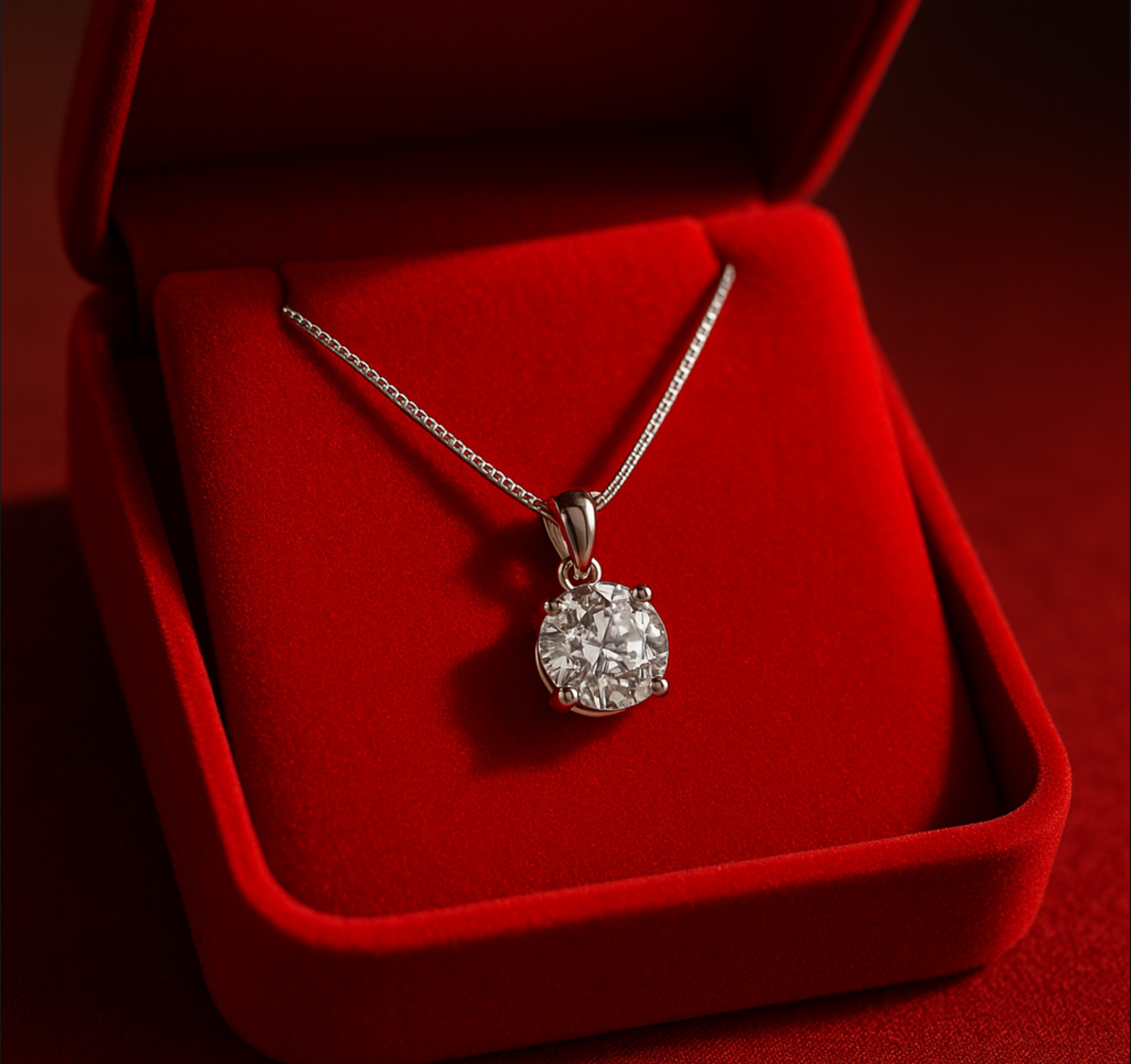
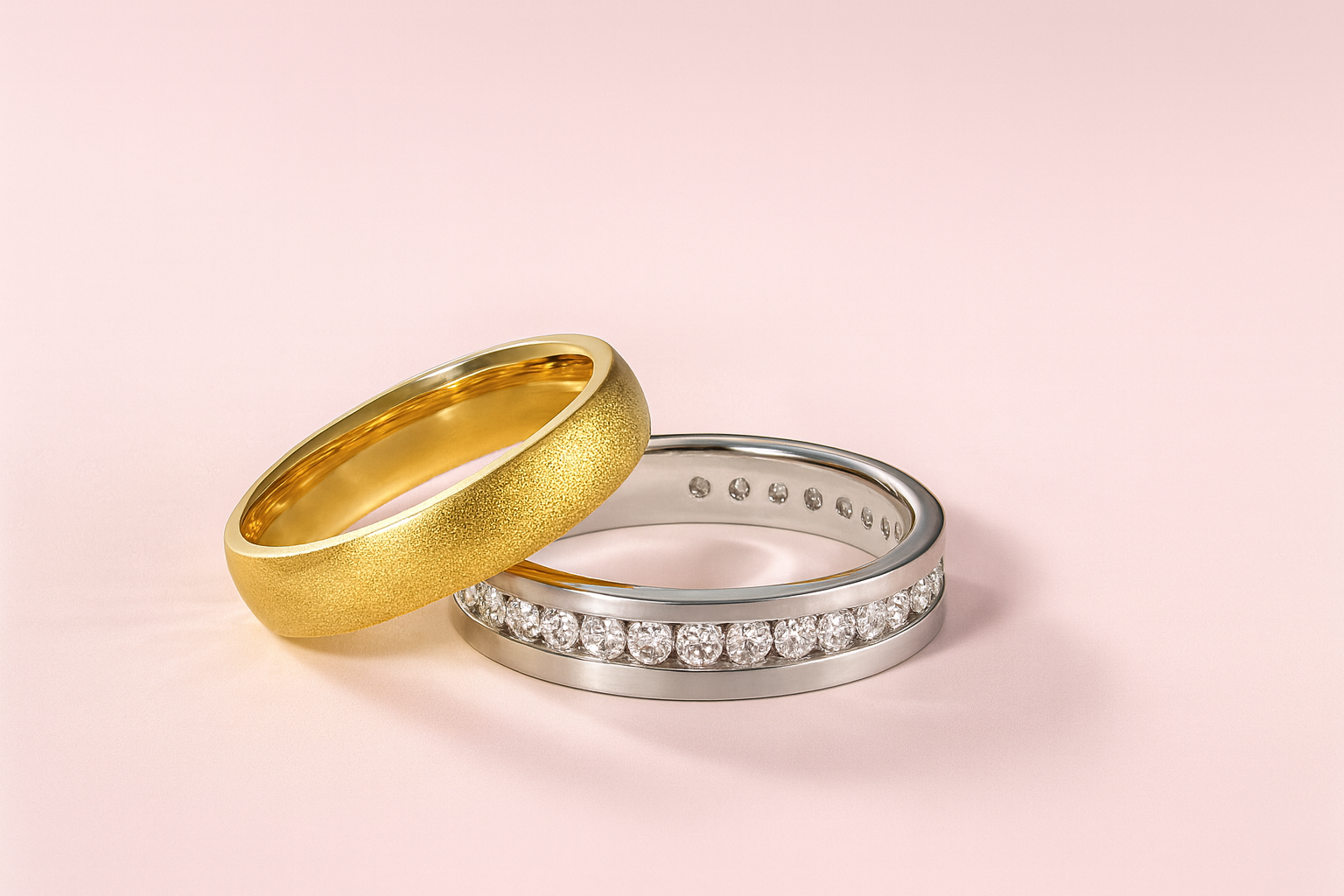
Gold jewelry comes in several distinct categories. Each type offers unique characteristics that affect durability, appearance, and value. From pure gold to various alloys and coating techniques, the range of options allows for versatility in both design and functionality. This comprehensive guide covers the essential aspects of gold jewelry, from composition to care. When selecting gold jewelry, consider factors like intended use, budget, and maintenance requirements to choose the option that best suits your needs.
Types of Gold Colors
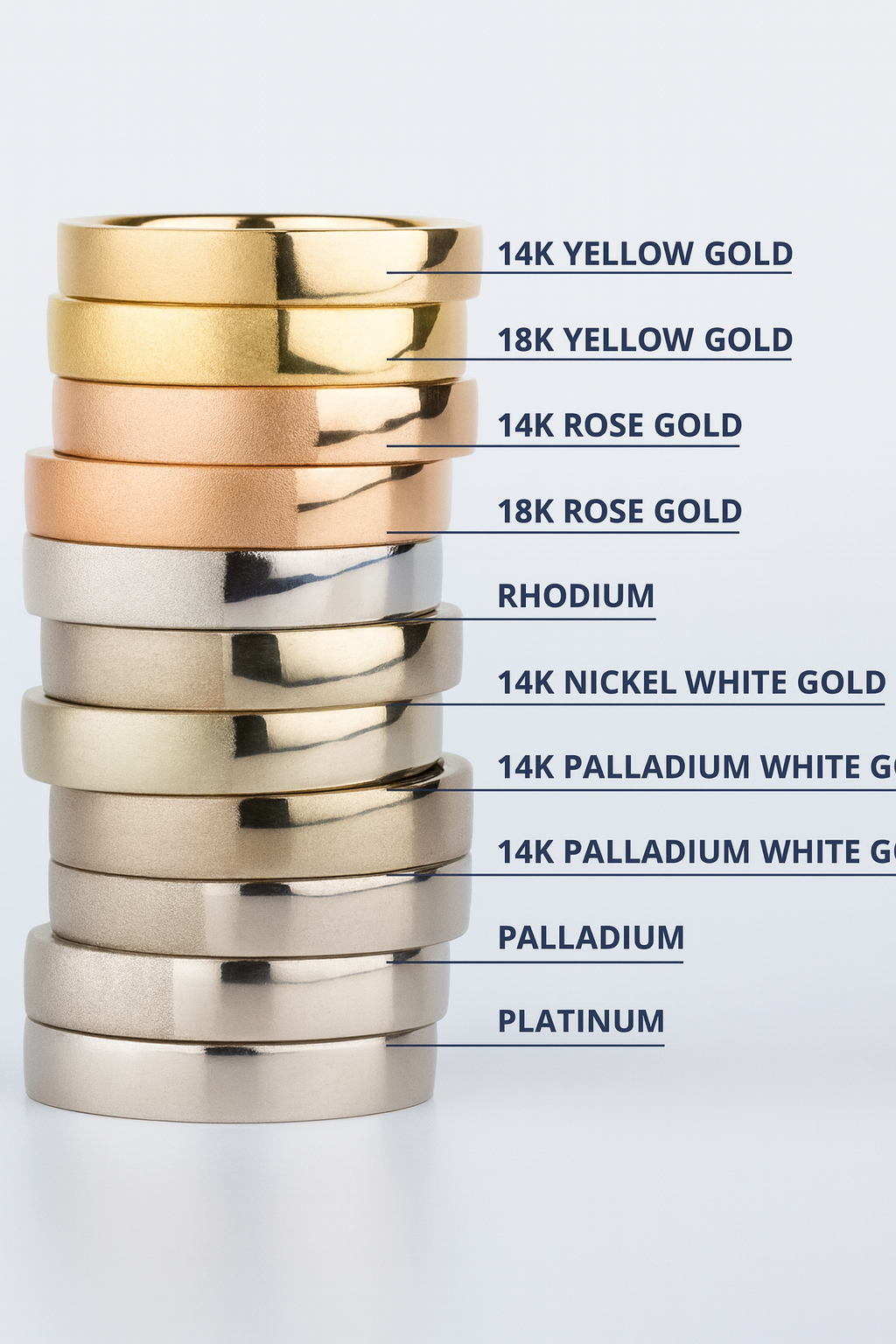
Gold’s versatility extends to its array of stunning colors, each created through specific combinations of metals and manufacturing processes. These variations offer unique aesthetic options while maintaining gold’s inherent precious qualities.
Yellow Gold
Yellow gold is the option closest to the metal’s natural, untreated state. Pure gold exhibits a rich, warm yellow color that has become the classic standard for precious jewelry. When alloyed for durability, yellow gold maintains this traditional appearance through careful mixing with compatible metals like copper and silver. The resulting alloys preserve the signature golden hue while providing necessary strength for everyday wear.
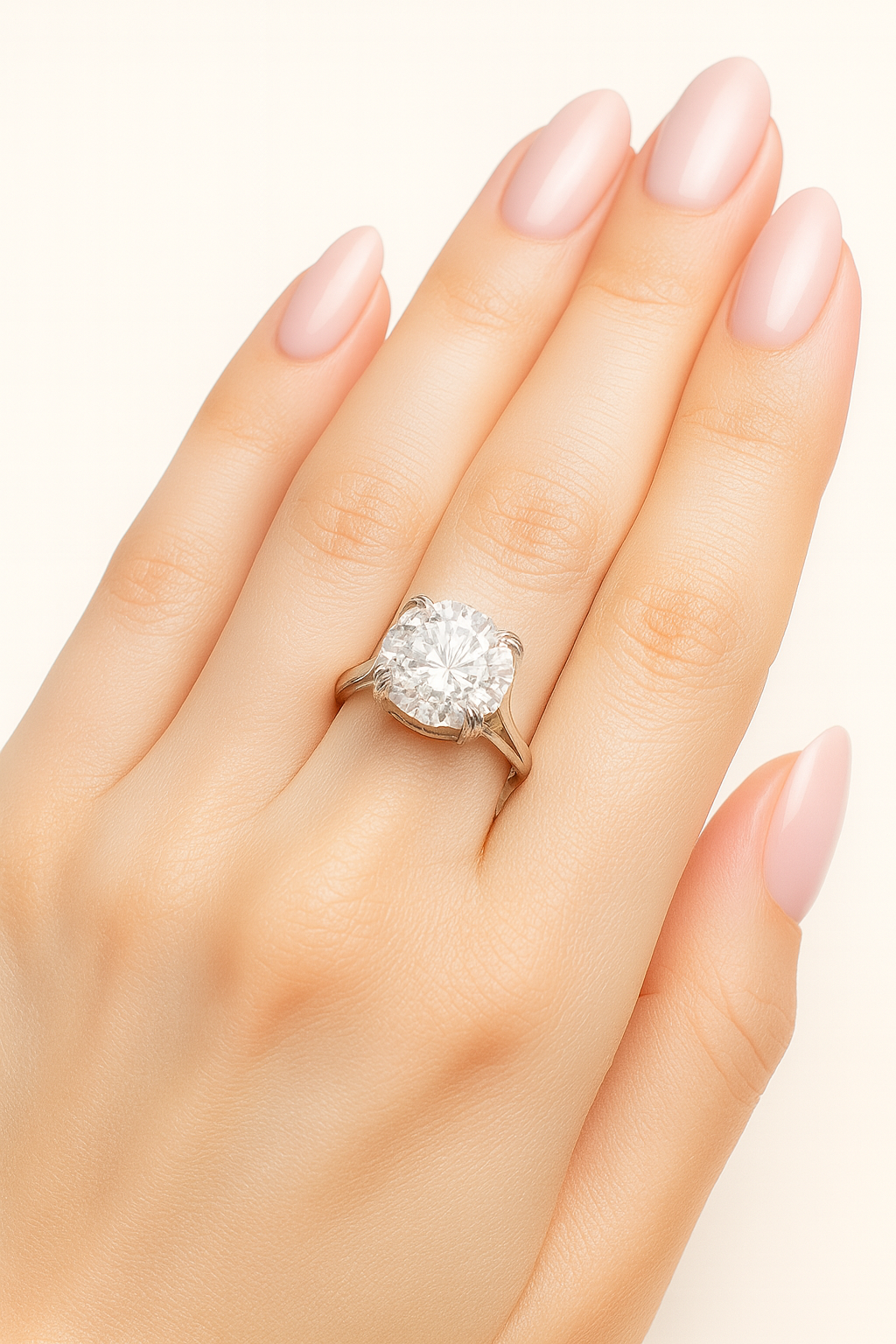
White Gold
This sophisticated variation combines pure gold with white metals like palladium and zinc, often followed by a rhodium plating that enhances its bright, silvery appearance. The coating requires periodic maintenance to maintain its lustrous finish, typically needing reapplication every few years as the rhodium layer naturally wears away.
Rose Gold
Rose gold offers a romantic, blush-toned alternative that has gained significant popularity in recent years. Created by mixing pure gold with copper, this alloy produces a distinctive pink or reddish hue that varies in intensity depending on the copper content.
Types of Gold by Karat
The karat system measures gold’s purity, indicating the proportion of pure gold to other metals in an alloy. This standardized measurement helps consumers understand exactly what they’re purchasing.
24 Karat Gold
24 karat gold represents pure gold (~99.9%), containing no additional metals. While this offers the highest possible gold content, it’s too soft for practical jewelry applications. The metal’s malleability makes it prone to scratching, denting, and deformation, limiting its use primarily to investment and ceremonial pieces.
18 Karat Gold
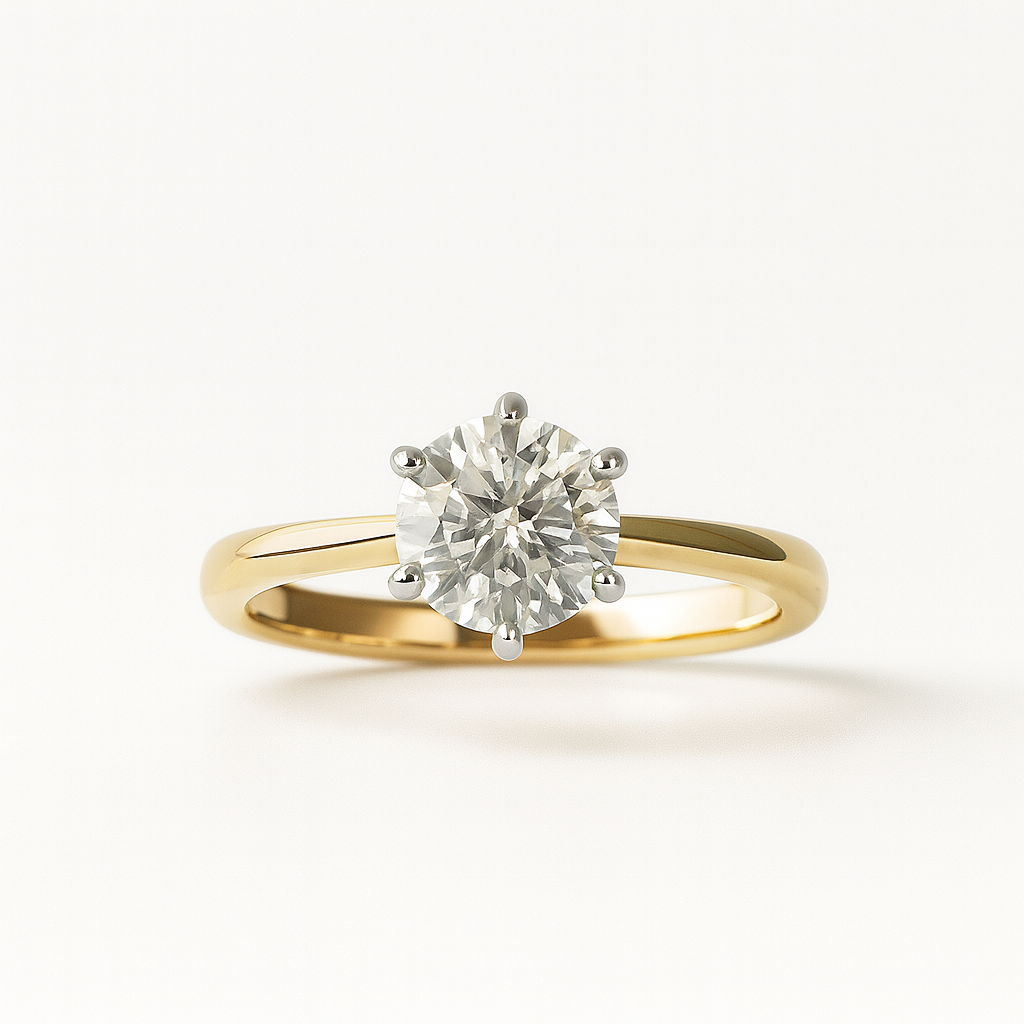
18 karat gold (~75% pure gold) strikes an optimal balance between purity and durability. This composition maintains excellent color and value while providing sufficient strength for fine jewelry. The higher gold content creates a luxurious appearance and makes it particularly suitable for special occasion pieces like engagement rings.
14 Karat Gold
14 karat gold (~58.3% pure gold) is one of the most popular choices for jewelry. This composition offers excellent durability while maintaining an attractive appearance and reasonable price point. The balanced mix of gold and strengthening alloys makes it ideal for everyday wear while remaining hypoallergenic for most people.
10 Karat Gold
10 karat gold (~41.7% pure gold) is the most affordable option of gold jewelry. Though less valuable than higher karat options, it offers superior durability due to its higher proportion of strengthening metals. This makes it suitable for pieces that may encounter frequent wear or impact.
Wpbingo
Lorem ipsum dolor sit amet, consectetur adipiscing elit. Nam fringilla augue nec est tristique auctor. Donec non est at libero vulputate rutrum. Morbi ornare lectus quis justo gravida semper. Nulla tellus mi, vulputate adipiscing cursus eu, suscipit id nulla.